
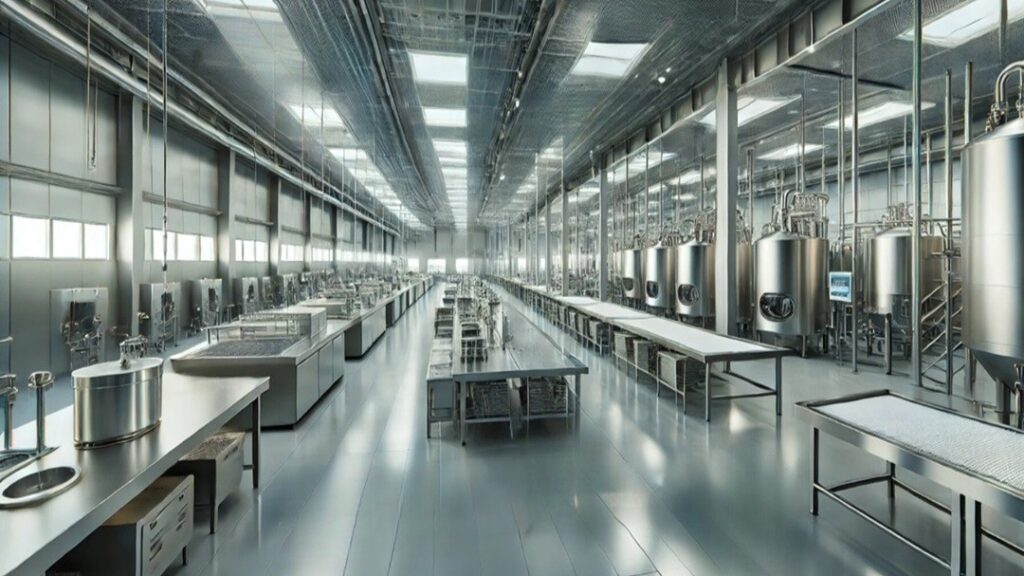
Safety is the foundation of any successful industrial facility. In environments where heavy machinery, hazardous materials, and complex processes intersect, thoughtful architectural design plays a crucial role in ensuring the well-being of workers while maintaining operational efficiency. At Hue Architects, we prioritize safety as a core aspect of industrial design, integrating innovative solutions that protect both people and processes.
1. Clear and Efficient Layout Planning
A well-planned layout minimizes the risk of accidents by ensuring smooth movement of people and materials. Proper zoning helps separate hazardous areas from safe workspaces and streamlines traffic flow.
✅ Design Tip: Implement dedicated pathways for employees and separate routes for heavy machinery to prevent collisions.
2. Compliance with Safety Regulations
Industrial designs must comply with local and international safety standards (such as OSHA, ISO, or NFPA) to avoid legal issues and ensure a safe working environment.
✅ Design Tip: Collaborate with safety consultants during the planning phase to align designs with legal frameworks and industry best practices.
3. Emergency Access and Egress
Rapid evacuation during emergencies is essential. Designing clear, accessible exit routes ensures that workers can evacuate safely and quickly during critical situations.
✅ Design Tip: Incorporate multiple exit points, emergency lighting, and clearly marked evacuation routes for rapid response.
4. Ventilation and Air Quality Control
Industrial processes often produce dust, fumes, and other airborne contaminants. Proper ventilation systems are critical to maintaining safe air quality and protecting workers’ respiratory health.
✅ Design Tip: Use advanced HVAC systems with air filtration, and ensure proper airflow across hazardous zones.
5. Fire Safety and Hazard Mitigation
Fire risks in industrial settings are significant. Architectural design should include fire suppression systems, flame-resistant materials, and early detection technology.
✅ Design Tip: Install automated fire detection and suppression systems, and use fire-resistant building materials in key areas.
6. Ergonomics and Worker Comfort
Industrial work can be physically demanding. Ergonomic design reduces fatigue and minimizes repetitive strain injuries by prioritizing user comfort and operational ease.
✅ Design Tip: Design adjustable workstations and ensure proper lighting to reduce strain and improve productivity.
7. Material Handling and Storage Safety
Safe handling of raw materials and finished goods is vital. Optimized storage systems reduce the risk of falls, spills, and contamination.
✅ Design Tip: Implement secure storage solutions with proper load-bearing capacities and automated handling systems.
8. Technology Integration for Safety Monitoring
Smart industrial spaces use real-time monitoring systems to track hazards and alert workers to potential dangers.
✅ Design Tip: Include IoT-enabled sensors for temperature monitoring, gas detection, and equipment performance tracking.
9. Training and Safety Culture
Even the safest designs are ineffective without proper training. Ensure that all staff understand safety protocols and emergency procedures.
✅ Design Tip: Design dedicated training spaces for safety drills and continuous education programs.
Why Choose Hue Architects for Safe Industrial Design?
At Hue Architects, we specialize in designing safe, efficient, and future-ready industrial spaces. Our designs combine cutting-edge technology, regulatory compliance, and worker-centric layouts to create environments where safety is never compromised.

Hue Architects: Crafting innovative, sustainable spaces that blend design and functionality. Contact us for expert architectural services today!
pages
Branches
Services
Social Media
Copyright @2025 Hue Architects. All Right Reserved.
Powered By Swift Technologies


Cost Saving Design
We optimize material, layout, and resources to deliver high-quality interiors that balance affordability with aesthetics.
Daily Whatsapp Updates
Stay inspired with our daily WhatsApp updates! Get design tips, trends, and exclusive insights delivered straight to your phone.
Luxury Interiors
We craft sophisticated spaces with premium materials, exquisite designs, and impeccable craftsmanship to reflect your refined taste and lifestyle.
Happy Clients
We take pride in delivering beautifully designed spaces that exceed expectations and bring joy to those who live in them.
Modern Design
Sleek, stylish, and functional -our modern designs embrace clean lines, innovative materials, and smart solutions to create contemporary spaces that reflect your lifestyle.

Hue Architects: Crafting innovative, sustainable spaces that blend design and functionality. Contact us for expert architectural services today!
Address
New no: 55A, Race Course Rd,
Race Course, Coimbatore,
Tamil Nadu 641018
Social Media
Copyright © Hue Architects. All Right Reserved.
Maintained By AVANEXA