

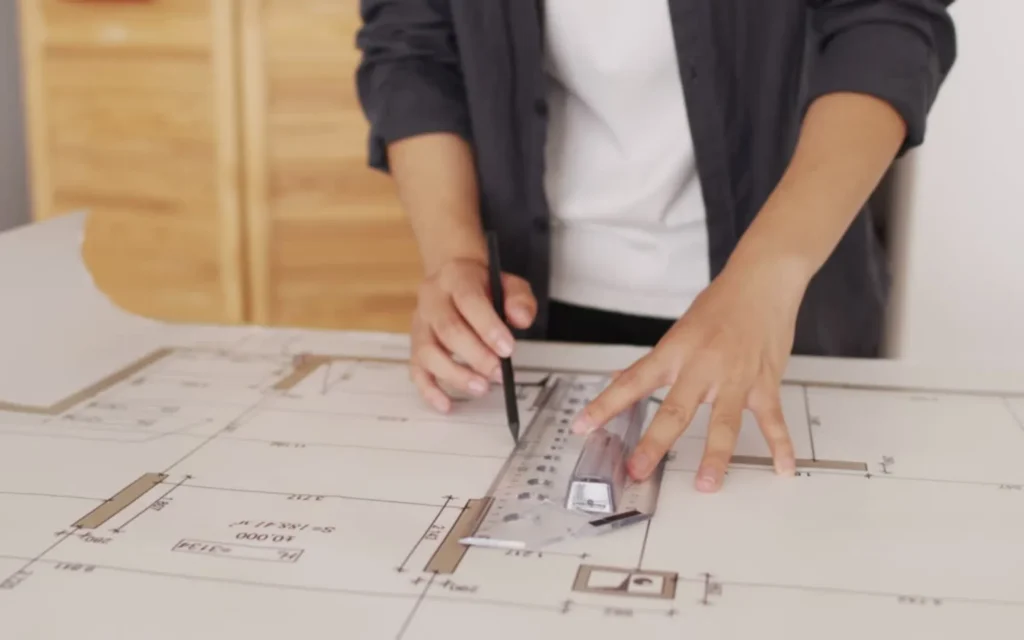
As cities continue to grow and evolve, master planning plays a crucial role in shaping sustainable, livable, and future-ready urban environments. At Hue Architects, we believe that thoughtful master planning is the foundation for building cities that not only meet today’s needs but also anticipate tomorrow’s challenges. Through a blend of innovation, community focus, and environmental stewardship, master planning transforms visions into thriving urban realities.
What is Master Planning?
Master planning is a comprehensive process that outlines the long-term development of urban areas. It integrates architectural design, infrastructure, and public spaces to create cohesive and sustainable environments. Whether designing a new city district or revitalizing existing areas, master planning sets the blueprint for future growth and development.
Why Master Planning Matters
- Creating Sustainable Communities
Master planning prioritizes eco-friendly solutions by integrating green spaces, energy-efficient buildings, and sustainable infrastructure. These designs reduce environmental impact while enhancing the quality of life.
✅ Example: Incorporating green belts, renewable energy systems, and water conservation techniques ensures a healthier urban future.
- Enhancing Connectivity & Mobility
Well-planned cities prioritize efficient transportation systems, ensuring seamless mobility for residents. Master planning designs streets, public transit, and pedestrian pathways that improve accessibility and reduce congestion.
✅ Example: Designing walkable neighborhoods and promoting public transport reduces traffic while enhancing community interactions.
- Fostering Economic Growth
Strategic master planning attracts investment and supports local businesses by creating dynamic commercial hubs. Mixed-use spaces that combine residential, retail, and office zones fuel economic vibrancy.
✅ Example: Smart zoning policies support diverse industries and encourage new business opportunities.
- Improving Quality of Life
A well-executed master plan prioritizes public amenities—parks, cultural spaces, and recreational areas—ensuring residents enjoy a high standard of living.
✅ Example: Designing public plazas and green parks fosters community engagement and improves mental well-being.
- Building Resilient Cities
Master planning anticipates future challenges—climate change, population growth, and natural disasters. Adaptive designs ensure long-term resilience and sustainability.
✅ Example: Flood-resistant infrastructure and climate-responsive building materials mitigate environmental risks.
Key Elements of a Successful Master Plan
- Visionary Framework: A clear, long-term vision that aligns with the city’s cultural and economic aspirations.
- Community-Centric Approach: Engaging stakeholders and residents to create inclusive environments.
- Sustainable Design Principles: Prioritizing energy efficiency, biodiversity, and waste management.
- Smart Infrastructure: Integrating technology for efficient resource management and urban services.
- Flexible & Adaptive Planning: Designing for future growth while maintaining historical and cultural identity.
The Hue Architects Approach to Master Planning
At Hue Architects, we specialize in crafting innovative master plans that balance aesthetics, function, and sustainability. Our holistic approach considers urban dynamics while delivering designs that shape better, smarter cities for generations to come.